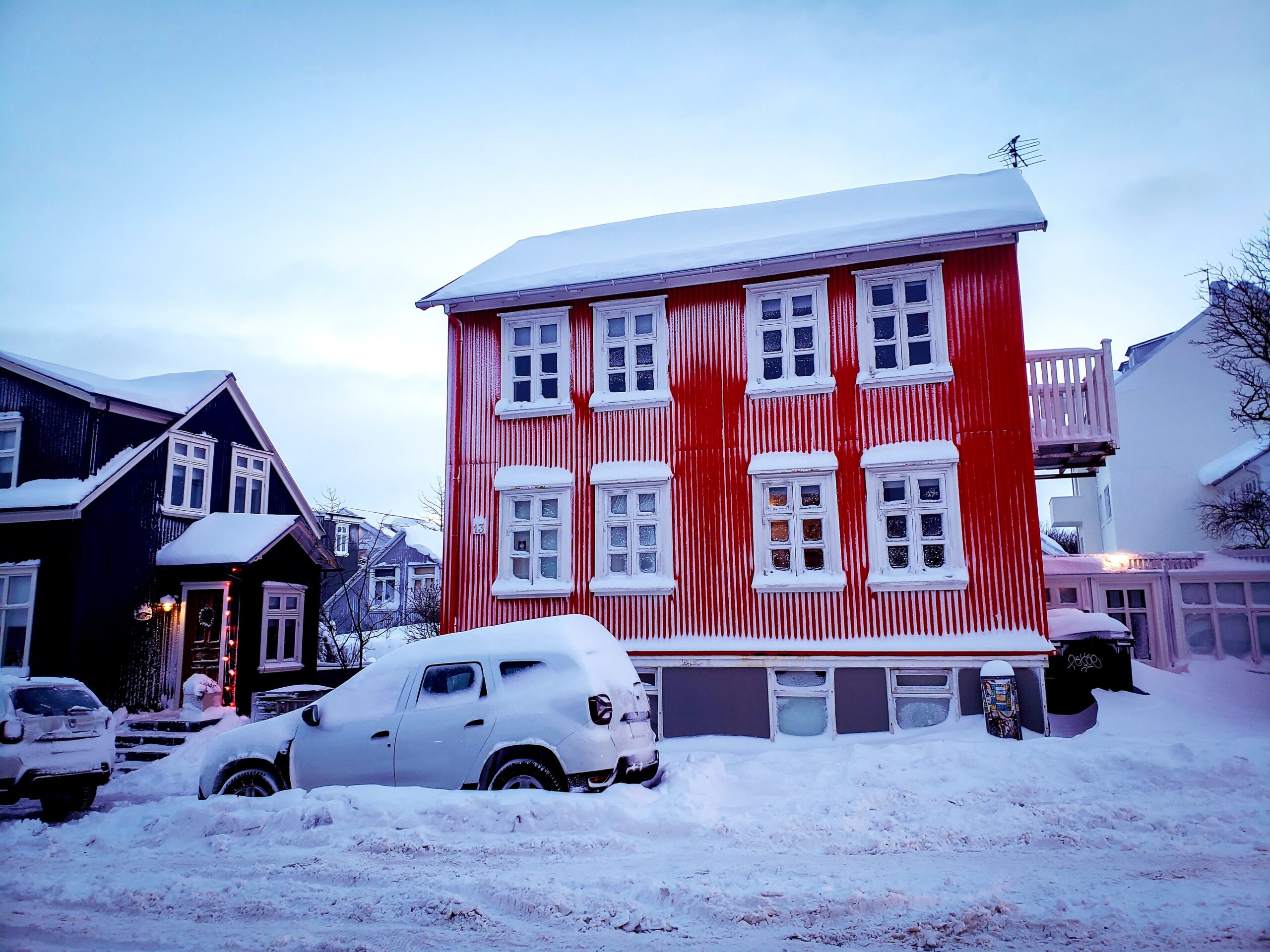
5 Ways To Survive Reykjavik's Winter Weather
I probably should have thought of joining relevant FB groups before heading to Iceland but it’s been a while since I’ve ticked a new country off and my organization skills were slightly rusty to say the least.
But between what I’ve read in those groups since, and my own rather chaotic experience just before Christmas 2022, it seems it would be very useful for me to share a few things that would help a first-timer like myself be a tad more prepared for a solo trip to Reykjavik in winter.
Clothing and accessories
Layers, layers and more layers! I can’t emphasise this enough and it’s far better to layer up with lighter clothing than just wear one heavy item.
From what I know, air gets trapped between each layer so it comes down to multiple warm air traps versus a single air trap.
Read up on wool versus merino versus fleece – I have no idea what my layers were as I just bought cheaper but super fluffy stuff (thank you Primark and Home Bargains!).
I was warm enough wearing fluffy thermal leggings under normal leggings and either super thick fluffy socks or normal fluffy socks.

However, tour companies or booking agents usually highlight particular clothing guidance if you are planning to book tours/activities that may have specific requirements so be sure to read for each activity before booking.
I bought a decent pair of hiking boots with good grip, and good ankle support specifically for hiking to the recent volcano eruption fields. The only other shoes I brought were just normal ‘stylish’ boots that also had good grip for when I was just out and about.
Turned out I had to wear my hiking boots most of the time because of the snow/ice and I still managed to slide about quite a few times while walking through the city.

I had considered buying nanospikes but decided it was overkill – something I regretted almost immediately and it would have meant I could have worn my nice boots more often.
I surprisingly only saw two or three others wearing them but they definitely had the right idea – don’t be afraid to bring them, you’ll look more daft if you go crashing on your behind instead!
However, do be prepared to remove them each time you go indoors in the city, so this may influence your spikes-or-no-spikes decision. Also, do read up on nanospikes versus crampons - I've since learnt there is a major difference!
Transport: air, land and sea
The land part came first for me – it snowed on my first night and the cancellations just came one after the other.
It was thanks to Blue Lagoon’s website when trying to book it myself that I discovered they provided the link to the road conditions maps both from the Icelandic Road and Coastal Administration and Safetravel. Both show which roads are open, which are open but with poor conditions, and which roads are totally impassable.
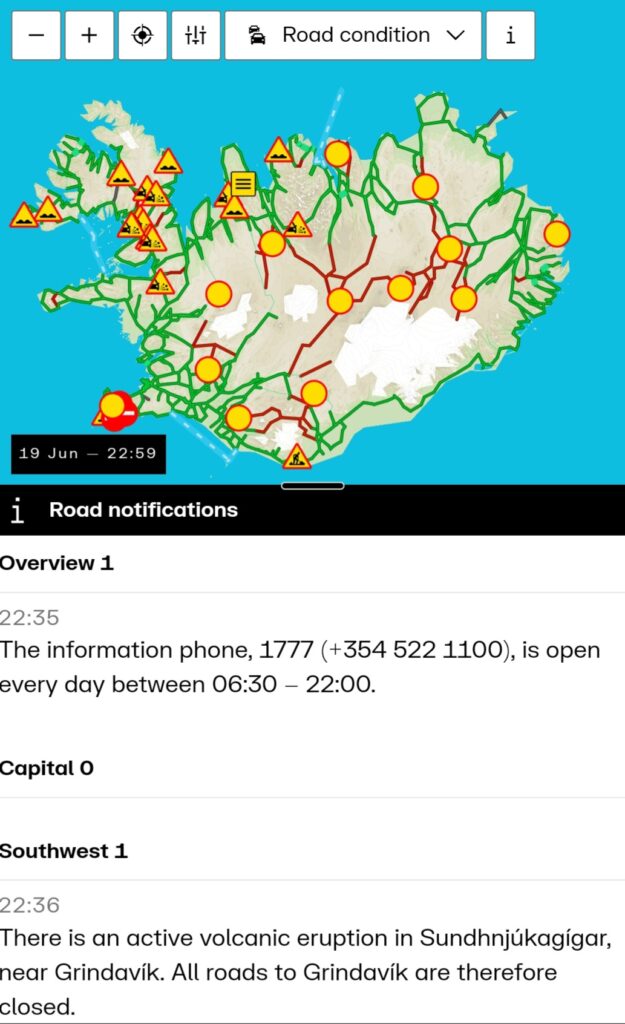
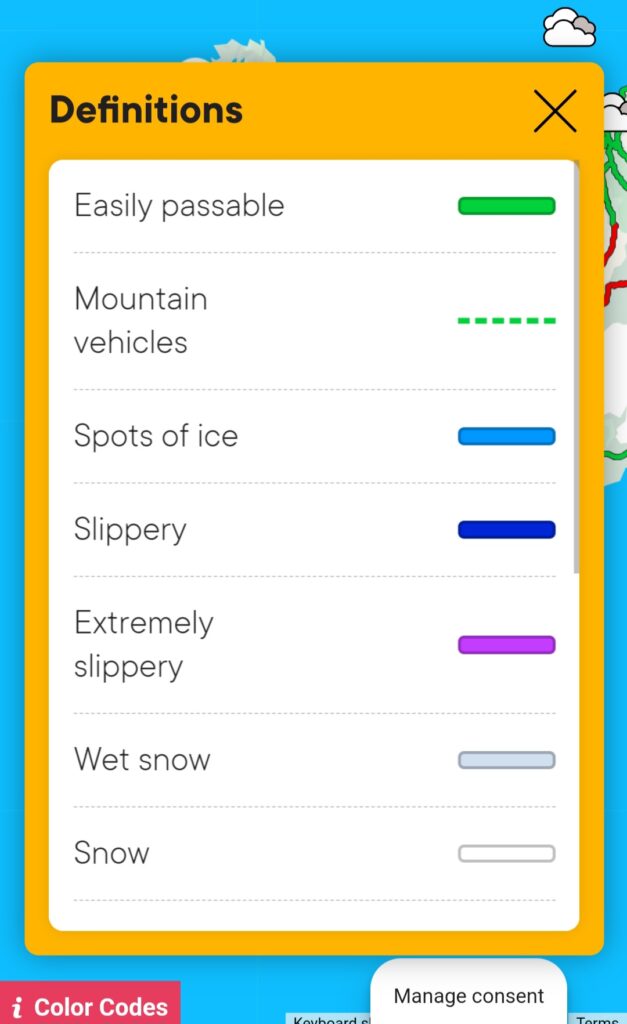
By looking at these maps, I knew there was zilcho point in even remotely hoping to get outside of the city centre because at that time, almost all the roads in the entire country were marked as impassable!
I can’t vouch much for the sea part because all I can say is that my whale watching trip was cancelled due to crazy weather and high winds – I could hear it howling and saw snow being carried up through the air it was that windy!
It sucked but at least I could begin to put a ‘plan B' into place instead.
Now the air... it’s a running joke with my boss that I “may be back for shift, or maaaay not make it back on time” but it nearly became a reality this time.
Two days before my flight home was due, the mass cancellations were pouring in due to the one road from Reykjavik city to KEF airport being impassable.
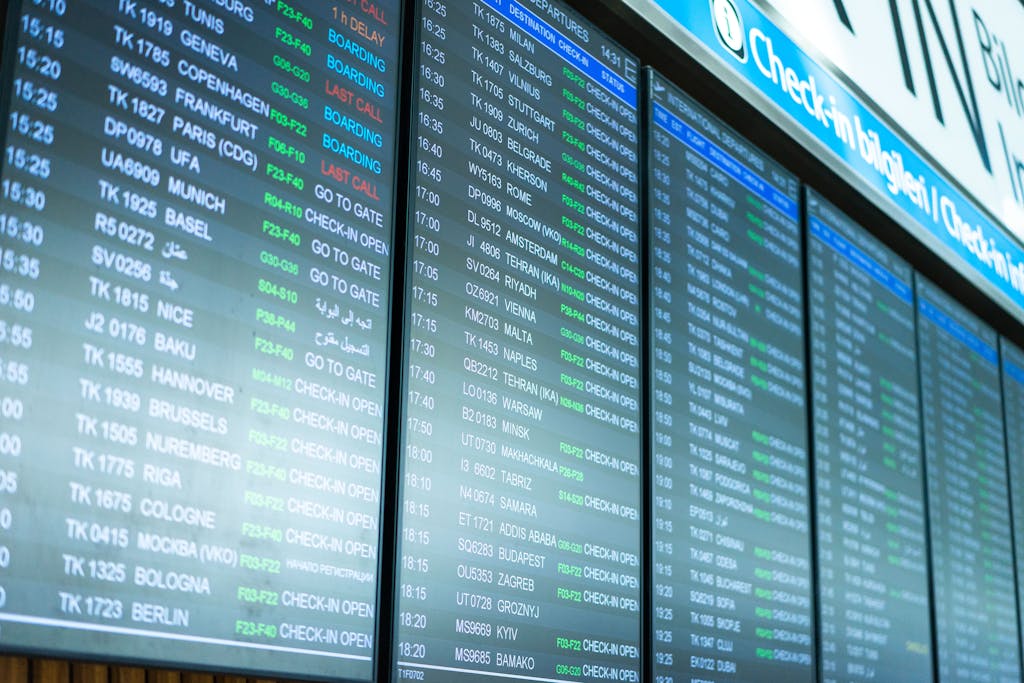
The flight status pages for both Icelandair and Keflavik airport were excellent at updating me in good time, and updated information was easy to find and follow. I kept an eye a few times a day and luckily enough the road was reopened the day before my flight.
On the day, the flight was originally delayed an hour prior to boarding as the plane itself was a late arrival from the US. Upon boarding, we were delayed approximately another hour as the pilot held back to try and reduce any missed connections from the US.
I was flying directly back to Dublin so this was no issue for me but do be aware of the potential impact weather may have on top of all the current travel chaos – ensure you leave plenty of time and factor in possible delays into your plans.
Travel insurance and emergency funds
I normally purchase a worldwide annual policy – my most recent one has been with Staysure who were one of the first to have optional Covid-19 cover and were reasonably priced. They also offer the option to pay off the policy monthly.
However, thankfully I haven’t needed to use any policy yet so can’t say anything further.
When I began panicking over my potential flight cancellation, I was wary of splurging out too much in case I needed to pay for hotels/food etc and reclaim afterwards.
I’ve been in the situation of having my card blocked abroad and having no back up funds (another story for another day) so absolutely recommend having a little “just in case” money tucked away that you can spend for last-minute disasters you don’t expect to land in.
I would highly recommend ALWAYS getting insurance and having a little set aside for emergency funding because I’ve heard some horror stories and you just never know.
Prepare a plan B for activities/tours
I had a ton of tours pre-booked and a nightly packing list to prepare for each. One by one they were cancelled but I quickly realised they were mostly cancelled on the day, usually early morning.
This meant that I was packing the night before, waking up at a particular time, unpacking my bag and having to spend time figuring out what to do with my unexpected spare day.
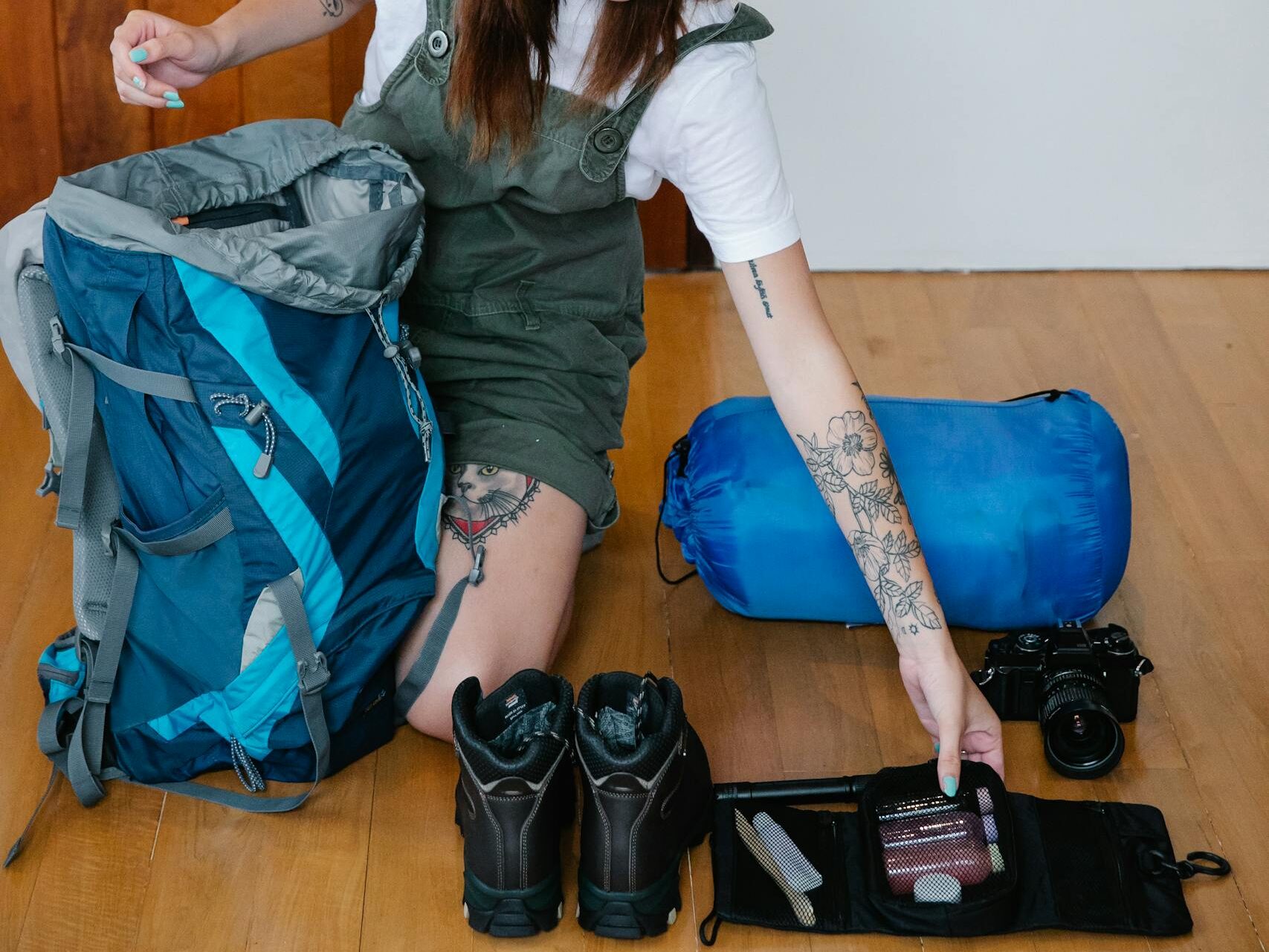
After several days of last-minute Google Map searching and guidebook reading, I finally got a list of places I would visit and made my plan B.
Even with a backup plan I did notice however that many places didn’t open until mid-late afternoon and often closed around 10pm or so – this made it more difficult to just go for a dander and call into somewhere just in passing.
If I was to plan the same trip again, I’d still pre-book my tours but make sure I had a second itinerary so that I knew what I was doing with my day as soon as each cancellation happened instead of spending half the afternoon planning all over again.
One thing to note re. pre-booking tours was that I had to fill out a form for some of my refunds but all came through quickly and without any kind of issue or follow up so I would be happy to pre-book again.
Daylight hours
I kind of forgot about the short arctic days – it was still super dark at 10am, with daylight hours being around 11am–4pm during December. It was a bit of a novelty experiencing a darkness that belonged to night time but knowing it was nearly the afternoon.
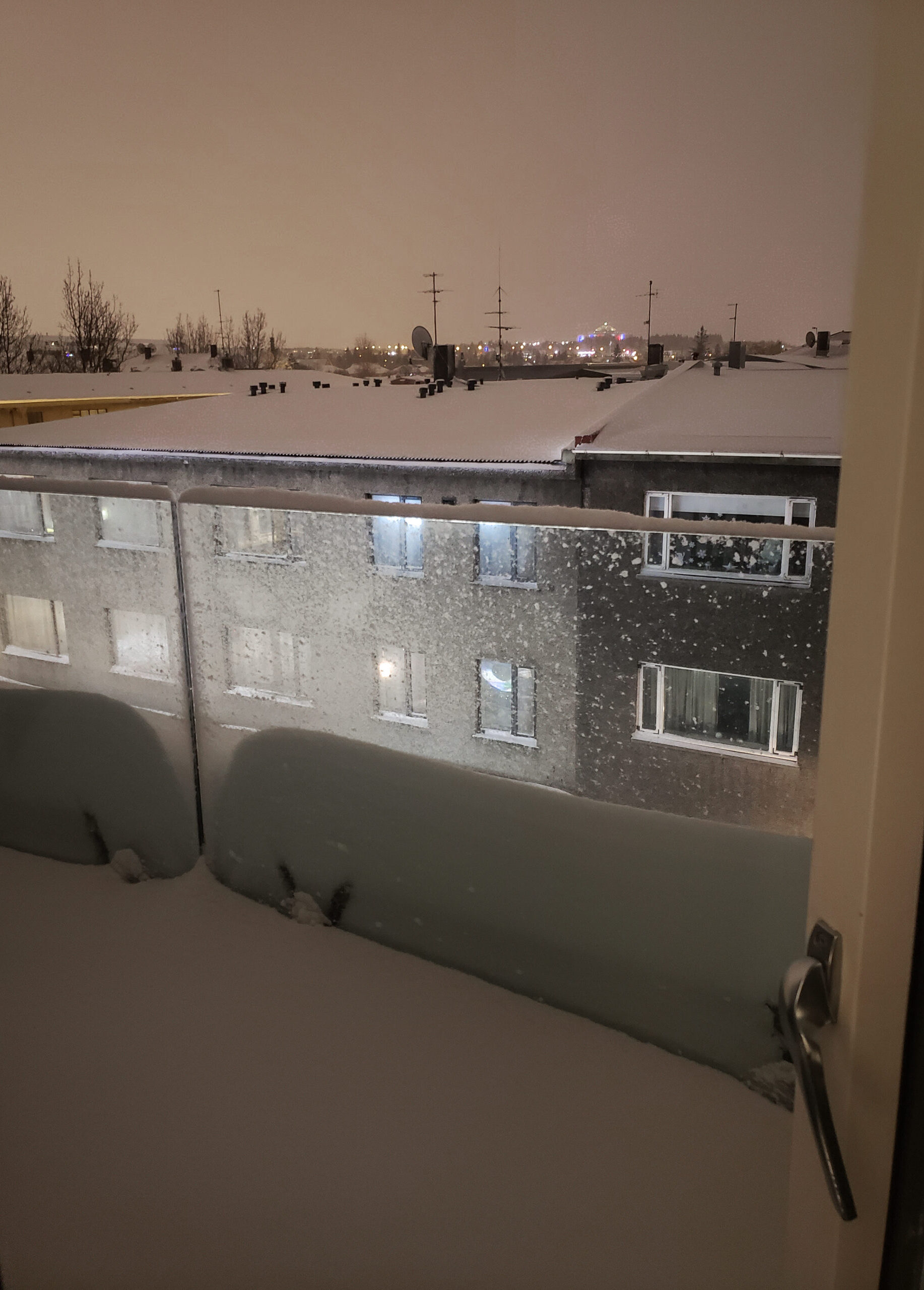
However, it is worth remembering that this may impact certain parts of your tours – for example, they may have to change locations or activities for their winter itinerary or skip places out altogether because of the lack of daylight.
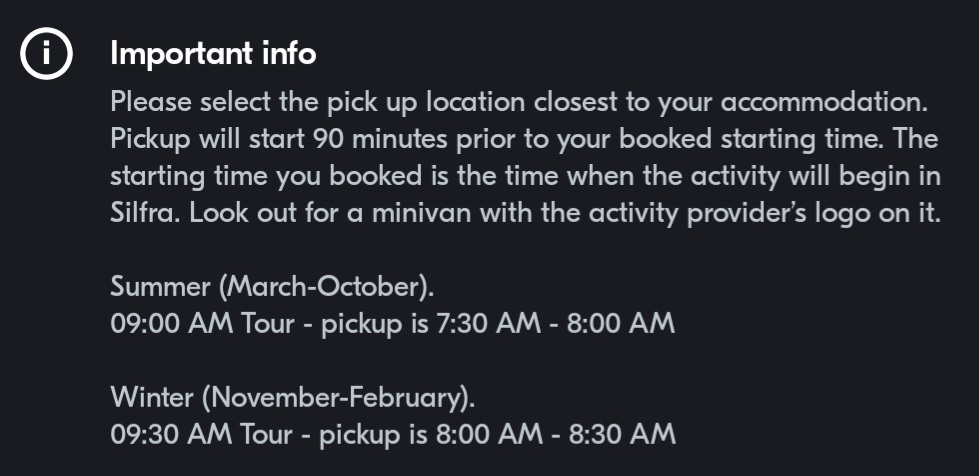
Please also note that there are often different tour pick-up and start times depending on the month you’re booking for, so do ensure you read the correct information and check your confirmation emails ahead of time.
These were things I'd learnt during my December 2022 visit which meant that I experienced the nearly full-blown famous Icelandic winter weather. However, it is well documented that the weather can change very quickly and unexpectedly anywhere in Iceland even during the spring/summer months!
These are good things to apply for a visit at any time of year, but especially in the winter months when things can go a little 'tits up' without much notice.
It's not much fun being on holiday then having to keep checking emails for changes so it would also be a good idea to set up relevant alerts and notifications for live-time updates.